
Revitalize Your Skin: Understanding Natural Facelift Massage and Its Benefits
In today's fast-paced world, where stress and pollution take a toll on our skin, finding a natural and effective way to restore its youthful glow can seem challenging. Enter the natural facelift massage—a rejuvenating technique that blends the science of beauty with the art of relaxation. This holistic approach not only targets the physical appearance of your skin but also enhances overall well-being.
What is a Natural Facelift Massage?
A natural facelift massage is a therapeutic facial technique designed to stimulate the muscles, skin, and lymphatic system of the face. It incorporates a series of gentle, rhythmic motions and pressure points to improve circulation, tone the facial muscles, and promote lymphatic drainage. Unlike invasive procedures, this massage focuses on harnessing the body's natural ability to heal and maintain youthful skin.
Key Techniques Involved
Gentle Sculpting Movements: These are used to lift and firm the facial muscles, providing an immediate tightening effect.
Acupressure Points: Stimulation of specific points can enhance energy flow and encourage collagen production.
Manual Lymphatic Drainage: Helps in reducing puffiness by eliminating toxins and reducing fluid retention.
Benefits of a Natural Facelift Massage
Improved Skin Tone and Elasticity: Regular sessions help in toning the facial muscles and enhancing skin elasticity, leading to a more defined facial structure.
Increased Circulation: By boosting blood flow, the massage aids in delivering more oxygen and nutrients to the skin, resulting in a healthy, radiant complexion.
Lymphatic Drainage: The technique helps in reducing puffiness and dark circles by stimulating lymphatic circulation.
Relaxation and Stress Relief: Beyond the physical benefits, a natural facelift massage provides a relaxing experience that reduces stress and promotes a sense of well-being.
Non-Invasive and Safe: This approach avoids the risks associated with surgical facelifts, offering a natural alternative to maintaining a youthful appearance.
Boosted Collagen Production: By stimulating the skin, the massage encourages natural collagen production, which is essential for maintaining skin firmness.
A natural facelift massage is more than a beauty treatment; it's a holistic approach to rejuvenating your skin and improving overall health. As we increasingly seek ways to combine self-care with effective beauty solutions, this massage serves as a natural, safe, and effective alternative to more invasive methods. Whether you are looking to address the signs of aging or simply want to treat yourself to a nurturing experience, a natural facelift massage could be the perfect addition to your beauty regimen.
Embrace the power of touch and discover the lasting benefits of this remarkable therapy. Your skin deserves the best, and with a natural facelift massage, you're not just enhancing your appearance, but also nourishing your spirit.
Finding Balance and Relief. The Benefits of Reflexology During Menopause
Menopause is a natural phase in a woman's life, marking the end of her reproductive years. While it is a normal biological process, it can bring about a host of physical and emotional changes that many women find challenging. From hot flashes to mood swings, the symptoms of menopause can be overwhelming. However, complementary therapies like reflexology are gaining popularity as a natural way to alleviate some of these symptoms. In this blog post, we will explore the benefits of reflexology during menopause and how it can support overall well-being during this transitional phase.
1. Alleviating Hot Flashes and Night Sweats
One of the most common symptoms of menopause is hot flashes, which can be disruptive to daily life and sleep patterns. Reflexology can help reduce the frequency and intensity of hot flashes by promoting relaxation and balancing hormone levels. By targeting specific reflex points associated with the endocrine system, reflexology can help to moderate the body's temperature regulation processes.
2. Reducing Anxiety and Mood Swings
Hormonal fluctuations during menopause can lead to increased anxiety, irritability and mood swings. By working the adrenal reflex, this can help lower cortisol levels, the hormone associated with stress. By encouraging a state of calm, reflexology can help ease emotional distress and improve overall mood, providing a sense of stability during this transitional time.
3. Improving Sleep Quality
Many women experience sleep disturbances during menopause, often due to night sweats or anxiety. Reflexology can aid in improving sleep quality by promoting relaxation and reducing anxiety. Regular sessions can help establish a more restful sleep pattern, allowing women to feel more rejuvenated and better equipped to handle the challenges of menopause.
4. Relieving Physical Discomfort
Menopause can also bring about physical symptoms such as joint pain, headaches, and muscle tension. Reflexology can help alleviate these discomforts by working the reflexes associated with the musculoskeletal system to reduce tension. By addressing specific reflex points related to pain, reflexology can provide significant relief and enhance overall physical well-being.
5. Supporting Digestive Health
Hormonal changes during menopause can affect digestive health, leading to issues like bloating or constipation. Reflexology can stimulate the digestive reflex points in the feet, promoting better digestion and easing discomfort. Improved digestive function can enhance overall well-being and energy levels.
6. Promoting Emotional Well-being
Menopause can be a time of significant life changes, and many women may feel a loss of identity or struggle with self-image. Reflexology offers a nurturing and supportive experience, providing a dedicated time for self-care and reflection. The calming effects of reflexology can help foster a greater sense of emotional well-being and self-acceptance during this transitional period.
Incorporating Reflexology into Your Menopause Journey
If you're considering reflexology as a complementary therapy during menopause, it's essential to choose a qualified practitioner who understands the unique needs of women in this stage of life. Many practitioners may also incorporate other holistic approaches, such as aromatherapy or guided meditation, to enhance the benefits of reflexology.
1. Find a Qualified Practitioner: Look for a certified reflexologist with experience in working with menopausal clients.
2. Communicate Your Needs: Share your specific symptoms and concerns with your reflexologist to tailor the session to your needs.
3. Consider Regular Sessions: Frequent sessions may provide cumulative benefits, so consider establishing a regular schedule for treatment.
4. Combine with Other Therapies: Reflexology can be a valuable addition to other complementary therapies, such as yoga, acupuncture, or herbal remedies, to enhance overall wellness.
Menopause is a significant life transition, but it doesn't have to be overwhelming. Reflexology offers a holistic approach to managing the various symptoms associated with menopause, promoting relaxation, balancing hormones, and enhancing emotional well-being. By incorporating reflexology into your self-care routine, you can find relief and support during this transformative time in your life. Remember, it's essential to consult with your healthcare provider before starting any new treatment, but with the right approach, reflexology can be a valuable ally in your menopause journey.
The Benefits of Reflexology
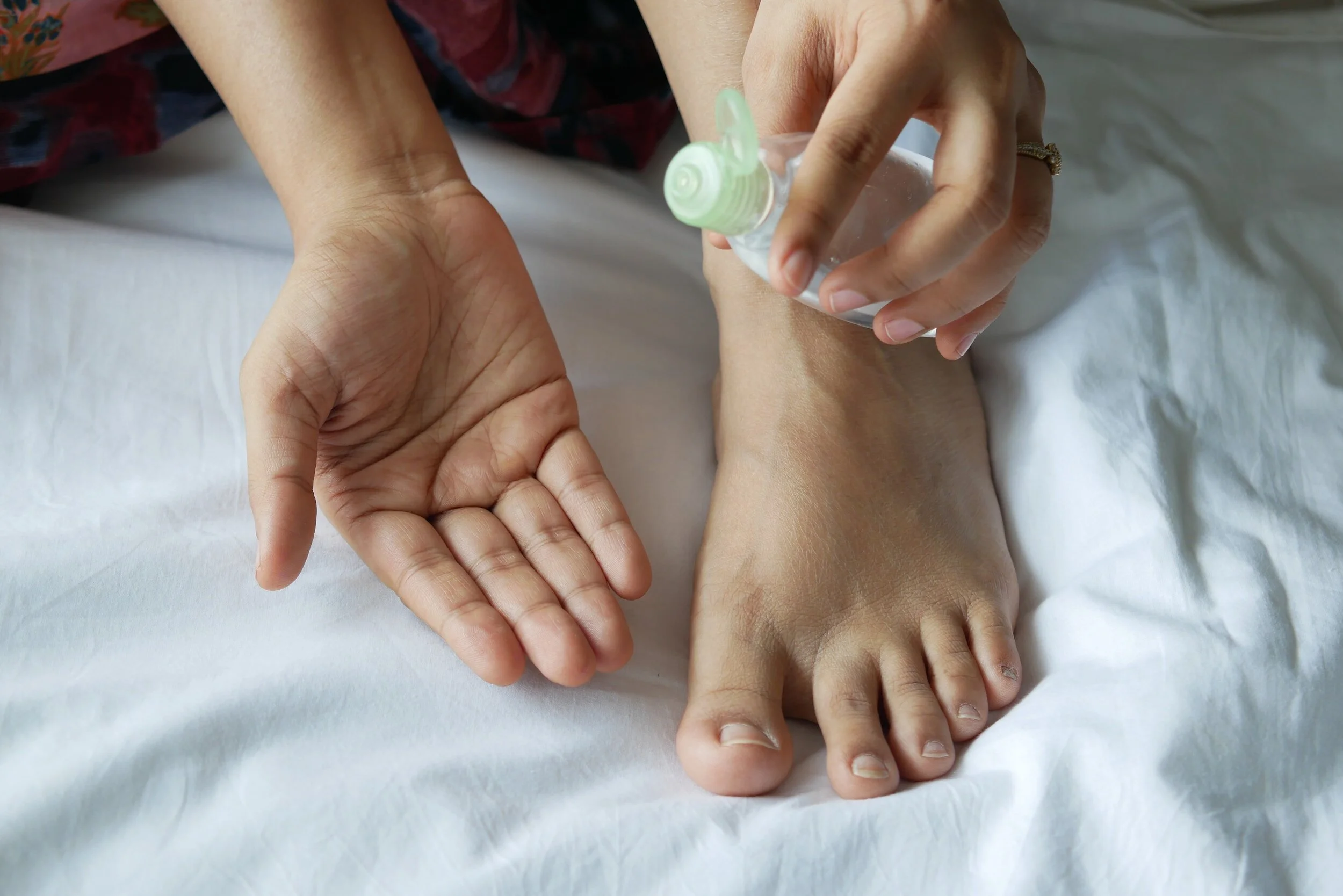
Reflexology is a therapeutic practice that involves applying pressure to specific points on the feet, hands, or ears. It is based on the belief that these points correspond to different organs and systems in the body. Reflexology has been practiced for centuries and is known for its numerous health benefits. In this blog, we will explore some of the benefits of reflexology.
Reflexology is a therapeutic practice that involves applying pressure to specific points on the feet, hands, or ears. It is based on the belief that these points correspond to different organs and systems in the body. Reflexology has been practiced for centuries and is known for its numerous health benefits. In this blog, we will explore some of the benefits of reflexology.
1. Relaxation and Stress Relief: One of the primary benefits of reflexology is its ability to promote relaxation and relieve stress. The gentle pressure applied to the reflex points helps to release tension and induce a state of deep relaxation. This can help to reduce anxiety, improve sleep quality, and enhance overall well-being.
2. Improved Circulation: Reflexology stimulates the nerve endings in the feet, which in turn improves blood circulation throughout the body. This increased blood flow helps to deliver oxygen and nutrients to the cells, while also removing waste and toxins. Improved circulation can have a positive impact on various bodily functions, including the immune system, digestion, and muscle function.
3. Pain Relief: Reflexology has been found to be effective in relieving pain and discomfort in various parts of the body. By targeting specific reflex points, reflexologists can help to alleviate pain associated with conditions such as headaches, migraines, back pain, and menstrual cramps. The release of endorphins during a reflexology session also contributes to pain relief.
4. Enhanced Energy Levels: Many people experience a boost in energy levels after a reflexology session. By stimulating the reflex points, reflexologists help to balance the body's energy flow and remove any blockages. This can result in increased vitality and a sense of rejuvenation.
5. Improved Digestion: Reflexology can have a positive impact on the digestive system. By targeting specific reflex points, reflexologists can help to stimulate digestion, relieve constipation, and reduce bloating. The improved circulation and relaxation induced by reflexology also contribute to better digestion.
6. Hormonal Balance: Reflexology can help to balance the hormones in the body, making it beneficial for individuals with hormonal imbalances or conditions such as PMS or menopause. By stimulating the reflex points related to the endocrine system, reflexologists can help to regulate hormone production and alleviate associated symptoms.
7. Boosted Immune System: Reflexology stimulates the lymphatic system, which plays a crucial role in the body's immune response. By improving lymphatic circulation, reflexology helps to enhance the immune system's ability to fight off infections and diseases.
8. Overall Well-being: Reflexology is not only beneficial for specific health conditions but also contributes to overall well-being. The relaxation, stress relief, and improved circulation experienced during a reflexology session can have a positive impact on mental, emotional, and physical health.
In conclusion, reflexology offers a wide range of benefits for both the body and mind. From relaxation and stress relief to pain relief and improved circulation, reflexology can enhance overall well-being and promote a healthier lifestyle. Whether you are seeking relief from specific health issues or simply want to relax and rejuvenate, reflexology may be a valuable addition to your wellness routine.